

The recent victory of Mexico in Miss Universe has become a source of celebration and inspiration for many around the world. Beyond its cultural or symbolic relevance, this event offers a valuable lesson from the perspective of marketing, branding, and purpose-driven leadership.
A Viral Moment That Sparked Reflection and Conversation
One of the most talked-about moments of the competition occurred when Fátima Bosch, Mexico’s representative, faced a situation that tested her integrity. She had chosen not to share promotional content about the host country—a personal decision made in alignment with her values. As a result, she was publicly addressed by a pageant executive in front of the other contestants.
The moment quickly went viral, triggering a wave of empathy from her fellow contestants—women who, despite being in competition, identified with her stance and the grace with which she held her ground.
Regardless of the specifics, this moment revealed something powerful: when people perceive alignment between what someone believes, says, and does, it creates a real emotional connection. And for those of us working with brands, this is an invaluable lesson.
This episode goes beyond the runway. It’s a reminder that living and leading from values not only inspires respect—it also strengthens perception. And for brand builders, this is a truth we cannot afford to overlook.
Branding vs. Marketing: A Fundamental Distinction
In the professional marketing world, it’s essential to distinguish between branding and marketing to truly understand how perceived value is built:
- Branding is the deep identity of a brand or individual. It’s what they stand for and the lasting impression they leave—even when they’re not in the room.
- Marketing, in the words of Philip Kotler, is “the process by which individuals and groups obtain what they need and want through creating and exchanging value.” It’s a discipline that goes far beyond campaigns and lead generation—it’s about understanding, serving, and delivering authentic value to others.
Fátima’s decision was not a positioning strategy; it was an act aligned with her identity. And that coherence is precisely what created a genuine emotional response in those watching—something brands constantly strive to achieve.
When Brands Are Also Put to the Test
Just like individuals, brands face moments when their true identity is revealed—a negative review, a difficult decision, an unexpected crisis, or a strategic pivot. In those moments, no amount of storytelling can replace authenticity.
Today’s audiences are not only guided by what a brand sells, but by what it represents. Trust is not built through polished messaging alone, but through the coherence between what a brand communicates, what it does, and how it operates behind the scenes.
The brands that endure over time aren’t necessarily the ones with the biggest budgets—they’re the ones with a strong culture, a shared purpose, and the courage to act with integrity, even under pressure.
Like Fátima, these brands understand that integrity cannot be improvised—it must be cultivated from within. Every point of contact, internal or external, is an opportunity to either reflect—or contradict—that essence.
Coherence as an Asset
Today, more than ever, differentiation doesn’t come solely from providing the right product or the right service. It comes from coherence. The brands that succeed in translating their purpose into real, consistent actions—both internally and externally—are the ones that build lasting loyalty.
Coherence doesn’t mean perfection; it means congruence. It’s acting in alignment with the values a brand claims to hold. And when that alignment is sustained, it becomes a powerful strategic advantage.
For entrepreneurs and emerging brands, coherence begins with the smallest choices:
- Do your customer service replies reflect the empathy your brand promises?
- Does your founder story align with how you treat your team?
- Are your community messages backed by consistent internal practices?
Just like Fátima’s decision wasn’t about optics but about conviction, brand trust is built not through campaigns—but through the sum of authentic decisions made when no one is watching.
Reflections from My Perspective as a Marketing Professional
I believe deeply that marketing is more than a profession—it’s a form of service. And that service only has meaning when it’s rooted in truth, empathy, and purpose.
This event reminded me that:
- Coherence is not designed—it’s practiced.
- Branding is not a logo—it’s a stance.
- Marketing must be relevant and human.
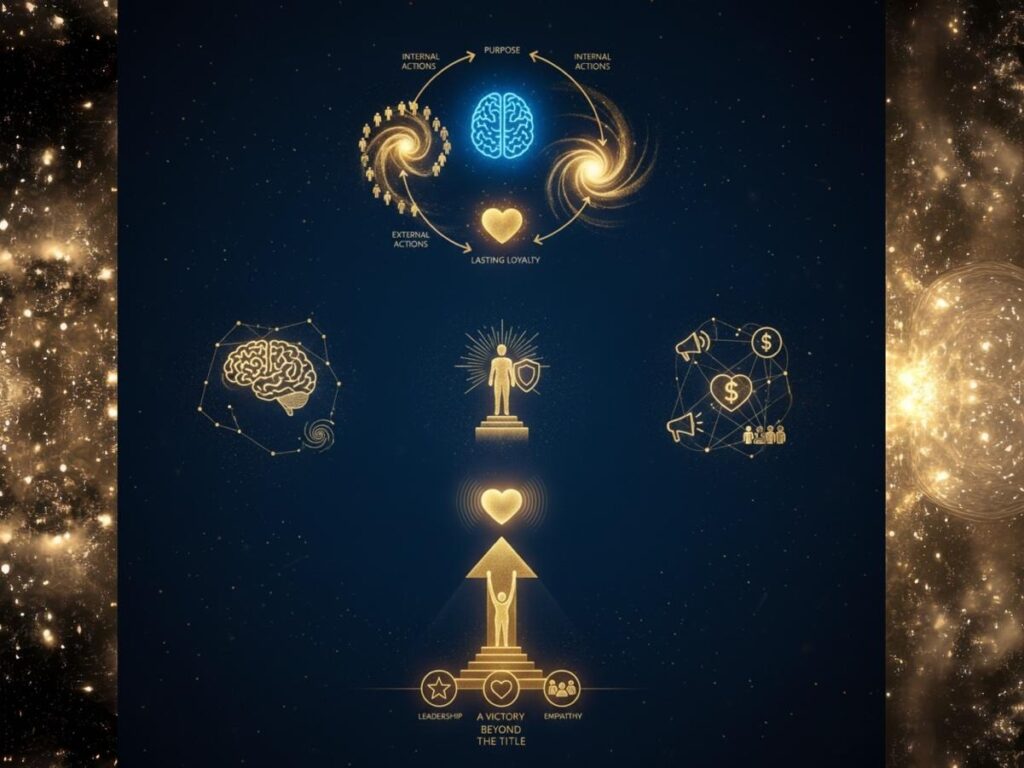
Conclusion: A Victory Beyond the Title
Fátima Bosch’s triumph was more than a win for Mexico. It was a story of leadership, authenticity, and empathy. And that, in marketing, is pure gold.
Who are you when no one is clapping? It’s not about taking public stances for applause—it’s about staying true to what you believe is right, even in complex or high-stakes situations.
The brands that will lead the future won’t be the ones shouting the loudest—they’ll be the ones living their purpose with clarity and courage.
Fabiola Rojas